

Same solar system size. Different prices. Why?
Solar installation costs in Malaysia vary depending on panel and inverter brands, equipment quality, roof conditions and installation requirements.
A cheaper quotation doesn't always mean better value. Understanding what you're paying for helps you choose the right solar system for your home.
So, what exactly are you paying for?
1. Solar Panel Manufacturer Rankings: What Does Tier 1 Mean?
You've probably seen solar companies advertising Tier 1 solar panels. BloombergNEF (BNEF) classifies solar manufacturers based on their bankability and participation in qualifying financed solar projects. Tier 1 reflects manufacturer bankability, not necessarily superior panel quality.
Several established global manufacturers include:
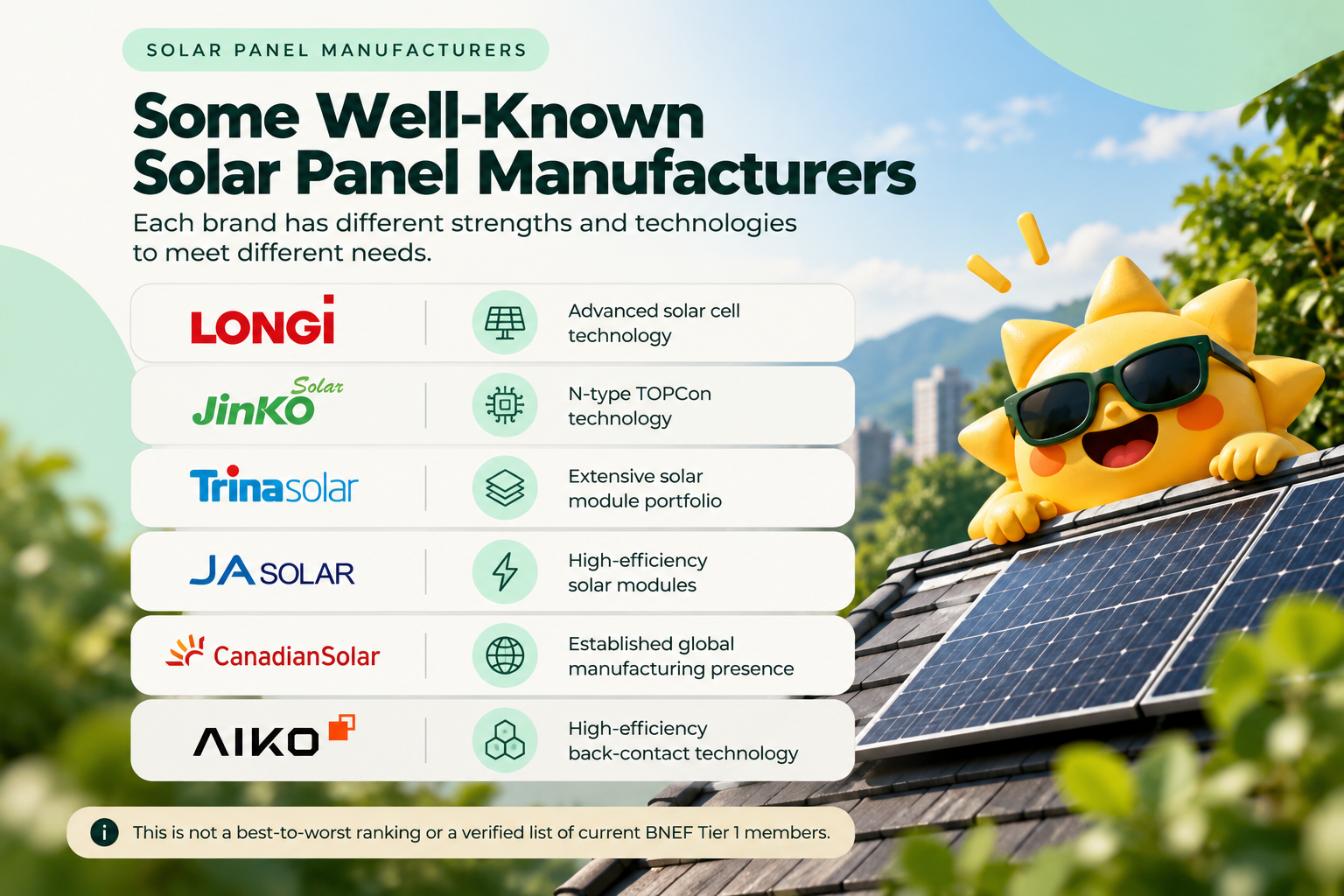
A reputable manufacturer is a good starting point, but homeowners should also compare panel efficiency, degradation rates, product warranties and performance warranties.
2. Solar Panel Technology Affects Pricing
Not all solar panels use the same technology.
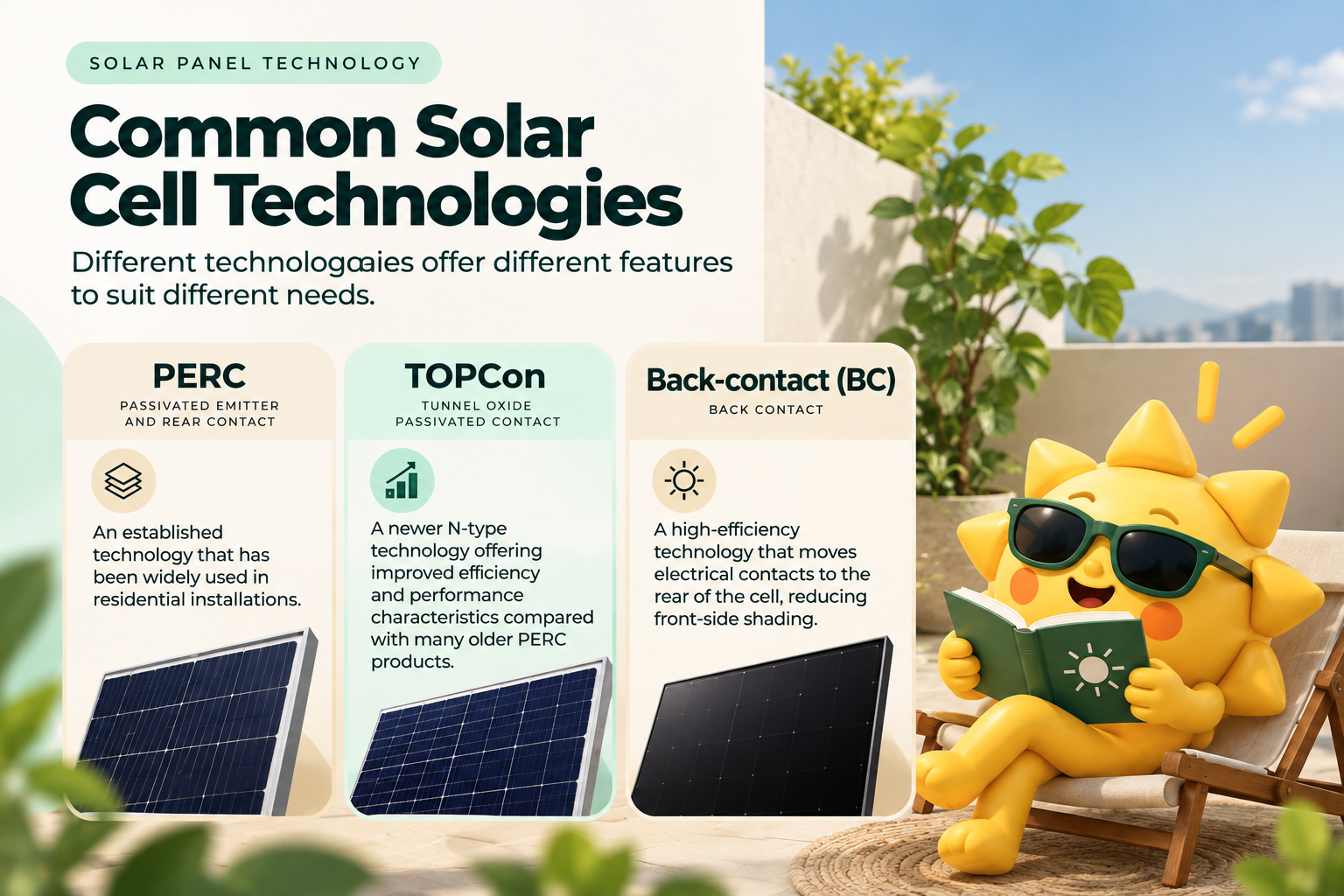
Higher-efficiency panels may cost more, but they can be beneficial when roof space is limited. The most expensive panel isn't automatically the best choice for your home.
3. The Solar Inverter Matters Too
Your solar inverter converts electricity generated by solar panels into usable power for your home.
Common options include:
String inverters: Commonly used for residential rooftop solar.
Hybrid inverters: Designed to support compatible battery storage.
Microinverters: Offer panel-level power conversion.
Inverter brands, specifications, warranties and monitoring capabilities can all influence your quotation.
Always compare the exact inverter model, not just its capacity.
4. Installation Quality and Scope of Work
A complete solar installation involves more than mounting panels on a roof.
Your quotation should clearly cover the mounting structure, electrical protection, cabling, engineering, installation, testing and commissioning.
Roof conditions and additional electrical works may also affect the final cost.
A cheaper quotation may not be cheaper if essential work is excluded.
5. Warranty and After-Sales Support
Solar panels are designed for long-term operation, but warranties differ between manufacturers and components.
Before signing, check:
Solar panel product and performance warranties
Inverter warranty
Installation workmanship warranty
Warranty claim procedures
Monitoring and after-sales support
The company responsible for supporting your system matters just as much as the equipment installed.
How Should You Compare Solar Quotations?
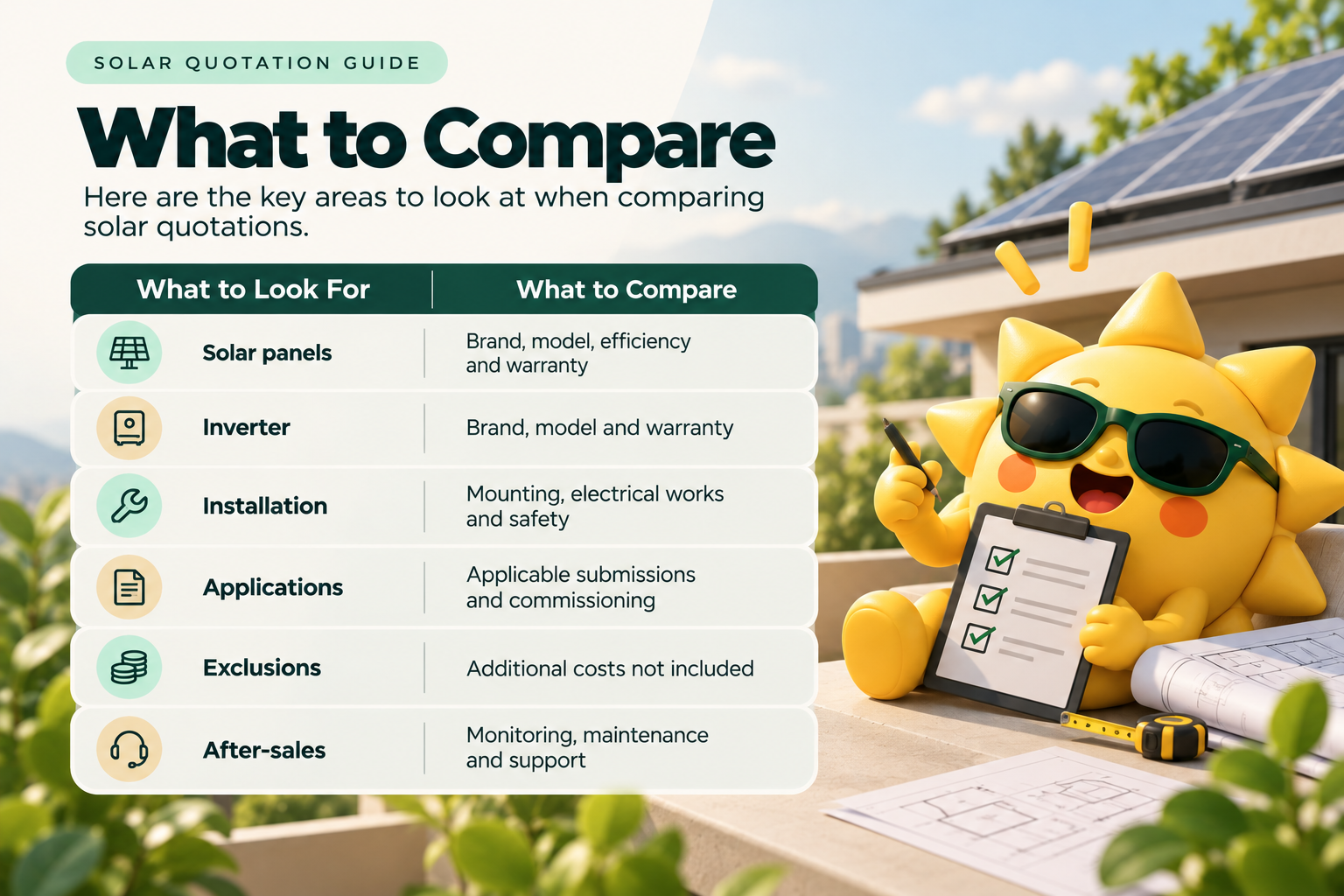
A good quotation should clearly explain what you're buying and why those components were selected.
Know What You're Paying For
Not all solar systems are created equal. Look beyond the price and understand the quality, technology and support you're investing in.
At Dalus Energy, we help you make informed decisions.